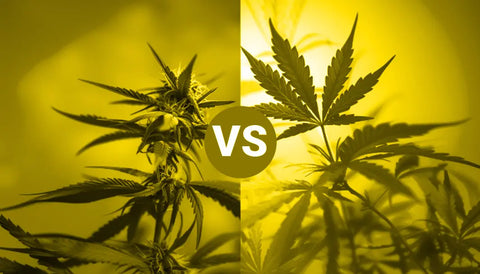
In the world ofcannabis, two molecules stand out in particular:CBD(cannabidiol) andTHC(tetrahydrocannabinol). Their concentrations vary considerably from one plant to another, influencing both the effects they produce and their legal applications. This article aims to shed light on this complex subject, in particular by examining the role of the differentlevelsofCBD and THC present inhemp.
What are CBD and THC?
Cannabidiol (CBD) and tetrahydrocannabinol (THC) arecannabinoidsfoundmainly in the flowers of thecannabisplant. While THC is known for its psychoactive effects, CBD is celebrated for its therapeutic properties without causing a feeling of euphoria. These cannabinoids interact with the human body's endocannabinoid system, but in different ways.
Difference between hemp and marijuana
The terms 'hemp' and 'marijuana' both refer to the cannabis plant, but they are used to differentiate strains based on their THC concentration. Thehemp plantislegally defined by its lowTHCcontent (generally less than 0.3%), making it a preferred source for the extraction of CBD for industrial use without the intoxicating effects associated with the higher THC content found in certain strains of marijuana.
The CBD/THC ratio and its implications
In the world of medical cannabis, theCBD/THCratio plays a critical role. Various products offer different ratios to specifically meet users' needs:
- 1:1 ratio- Offers a balance between the medicinal effects of CBD and the psychoactive effects of THC.
- High CBD ratio- Usually non-psychoactive, ideal for those who wish to avoid intoxicating effects while still enjoying the therapeutic benefits.
- High THC ratio- Used by those primarily seeking psychoactive effects or other specific medical benefits.
Geographic location and regulation of CBD and THC levels
The laws governing the cultivation ofhempandits cannabinoids vary from region to region. In Europe, for example, theTHCcontentinhemp must not exceed 0.2%, whereas in the United States, this limit is often set at 0.3%. These regulations directly impact the types of plants grown and the methods used to extract CBD and THC for use in commercial products.
Extraction and purification of CBD and THC
The extraction of cannabinoids such asCBDandTHCrequiresadvanced techniques to ensure adequate purity and quality for consumption. Extraction methods range from the use of solvents to supercritical CO2 distillation, each with its own advantages and limitations. Once extracted, these compounds undergo several purification steps to remove impurities and ensure a safe and effective final product.
Therapeutic impact of CBD with high THC content
Products containing'high CBD, low THC' oftensparkdebate regarding their therapeutic application. For some patients, a balanced ratio offers better management of symptoms such as pain, anxiety, and muscle spasms without the traditional side effects associated with more conventional medications. However, the importance of choosing products that are suited to each user's medical profile and individual needs cannot be underestimated.
Towards better understanding and regulation
To navigate this complex field, consumers and healthcare professionals must stay informed about the latest research and legislative developments. This approach not only ensures the safety and effectiveness ofhemp-based treatments, but also helps to demystify the many clichés associated with these substances.
As science advances and legislation evolves, we are likely to continue seeing significant changes in how we use these powerful molecules derived fromhemp. Knowledge remains our best ally in the quest for responsible and useful therapeutic applications ofCBDandTHC.