When it comes to choosing betweenindicaandsativa,cannabis usersmayfind themselves confused by the diversity of effects and uses. These twocannabisspecies are often discussed for their distinctive characteristics and diverse influence on user experiences. Understanding these differences is crucial for selecting a strain that suits your personal needs, particularly in terms of CBD (cannabidiol). This article explores the attributes that separate indica from sativa, with a focus on their specific uses related to CBD.
Origin and general characteristics
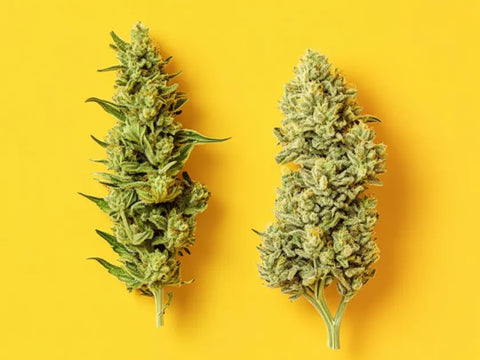
The first significant distinction between indica and sativa is theirphysical appearance. Traditionally, sativa plants sativa plants are taller and have thin leaves, while indica plantsaretypically stockier with broader leaves. Geographical origins also influence these aspects; sativa has its roots in hot and humid equatorial climates, such as Colombia or Mexico, unlike indica, which comes from mountainous and arid regions such as Afghanistan. This divergence in origin explains not only theirsizebutalso their chemical composition and, consequently, their effects on the user.
Effects of CBD depending on the variety
In the context ofCBD, the non-psychoactive but therapeutically beneficial component, there are notable differences in effects depending on whether it comes from an indica or sativa plant. Generally,CBD derived from indica issought after for its pronounced relaxing qualities, often recommended for the evening or times when complete relaxation is needed. Conversely,CBDderivedfromsativatendsto stimulate energy and may be preferred for daytime use, providing increased concentration and invigorating the mind without causing drowsiness.
Medical and therapeutic applications
The impact of choosing between indica and sativa is particularly relevant in the medical use of cannabis.CBDextractedfrom indica plants is often associated with pain management, helping with conditions such as arthritis or fibromyalgia thanks to its natural analgesic properties. In addition, this variety may help those suffering from sleep disorders due to its sedative effects. In contrast, CBD-enriched sativa is recommended for treating symptoms of mental disorders such as depression or attention deficit disorder (ADD), providing a mental stimulant that can improve mood and increase daily productivity.
Influence on the appearance and growth of the plant
Beyond their medical application, the physical traits of indica and sativa plants also directly impact cultivation strategies and growth outcomes. Indicas, being shorter and bushier, are often better suited for indoor cultivation as they take up less space and have a more compact flowering cycle.Sativas, on the other hand, require more light and vertical space to thrive owing to their tall stature and broader leaves that need room to expand – making them ideal for outdoor gardens. This fundamental understanding can significantly determine how and where a cultivator decides to plant.
Key factors for choosing between indica and sativa CBD
- Time of use:Chooseindica if you are looking for relaxation in the evening, while sativa may be preferable for an energy boost during the day.
- Desired effects:Chooseindica for deep relaxation and pain management, or choose sativa to improve concentration and combat lethargy.
- Growing conditions:Assessyour available space and light conditions before deciding, as this can directly impact the optimal development of your chosen plant.
In summary, the decision between an indica versus sativa cannabis plant, particularly when it comes to CBD-enriched products, depends largely on your personal goals and circumstances of use. Whether you are a patient seeking relief from specific symptoms, a recreational user looking for varied experiences, or even a grower, understanding these distinctions can guide you toward the strain best suited to your needs.