Hashish, also known ashashorhashish, is a concentrated resin obtained from cannabis plants. It is prized for its potency and its many variations. The world of hashish is rich in diversity, with varieties such as Lebanese red, Indian charas, and above all, yellow shit. yellow shit , which is attracting a lot of interest among consumers.
What is hashish?
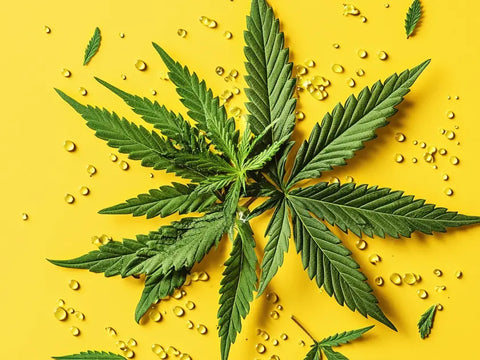
Hashish is formed from theresin secreted by the trichome glandsofcannabis plants. This resin contains varying concentrations of cannabinoids such asTHC (tetrahydrocannabinol)andCBD (cannabidiol), which are responsible for the psychoactive and medicinal effects. The production of hashish involves sifting the trichomes and then compressing them to obtain a finished product that is generally compact and hard.
Hashish manufacturing process
- Drying and sifting trichomes
- Compression of trichomes into a homogeneous mass
- Curing the compressed mass to improve texture and flavor
The different colors and textures
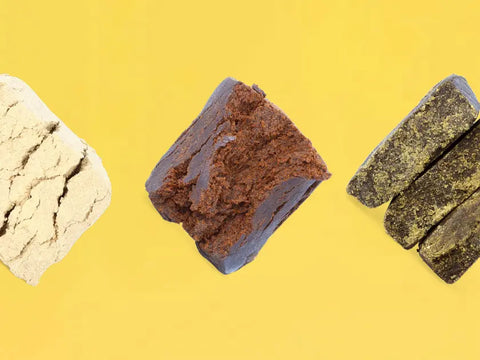
There are several types of hashish based on color and texture, often reflecting their geographical origins and production methods. These variations includeLebanese red,Moroccan black, and the famous yellow shit.
Lebanese red hashish
Lebanese red hashishisdistinguished by its reddish hue, which is the result of a specific process of maturing the trichomes before extraction. This type of hashish comes mainly from Lebanon, where it has been cultivated for centuries. Its texture is often crisp and crumbly without being too hard.
Black Moroccan hashish
Black Moroccan hashish, on the other hand, has a dark, almost black color and a fairly malleable texture. Often sourced from the Rif Mountains in Morocco, it is characterized by earthy and spicy aromas. Its properties are known to provide a relaxing and calming effect.
The famous yellow shit
The yellow hash is particularly popular among hash connoisseurs. Its golden appearance and smooth texture make it an attractive product. Originating from various cannabis-producing regions, this type of hash involves a meticulous cleaning process to remove any trichomes remaining after extraction. Enthusiasts appreciate its energizing and stimulating effects.
Diversity of hashish by region
Several countries are renowned for their unique hash production. This section explores the specific characteristics ofhash produced in well-known regionssuch asAfghanistan, India, and Nepal.
Afghan hash
Afghanistanisone of the oldest hash-producing regions.Afghanhash varies incolor from brown to black and is often very dense. Growers traditionally use their hands to rub the harvested buds. This produces a hash with a sticky, oily texture, ideal for those seeking a strong experience.
Indian charas
Charascomesfrom India, mainly from Himalayan regions such as Manali and Parvati. Unlike other types of hashish, charas is made from living plants. It is rubbed between the hands until a resinous substance forms. Its color varies from dark green to black, and its texture remains soft and sticky.
Nepalese hashish
Nepaloffersa unique type of hash made from wild plants that grow naturally in the Terai and at the foot of the Himalayas.Nepalese hashistraditionally prepared using hand techniques similar to charas. This hash is also known for its CBD dominance, adding notable medicinal effects.
Consumption and effects of hashish
The way hashish is consumed varies according to personal preferences and cultures. Here are some of the common methods:
Smoke
The most traditional method is to smoke hash by mixing it with tobacco or weed in a joint. Some prefer to use it in a pipe or bong, allowing them to fully enjoy its aromas.
Vaporization
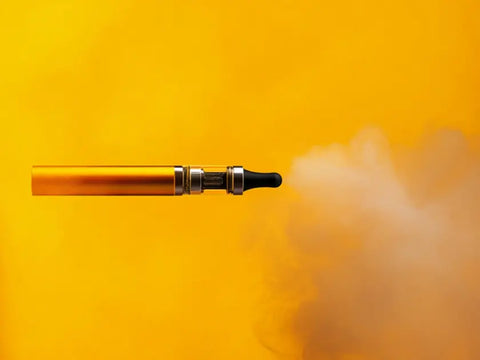
Amodern alternativeisto use vaporizers specifically designed for cannabis concentrates. This method often preserves cannabinoids better, offering a purer experience.
Ingestion
Hash can also be incorporated into recipes. Be sure to decarboxylate the substance, i.e., gently heat it to convert THCA into active THC. Dishes such as cannabis butter enriched with hash provide prolonged and intense effects.
Comparison of different types of hashish
Each type of hash has distinct characteristics that influence its popularity among connoisseurs and casual users.
Psychoactive potential
The differences inTHC/CBD ratiosplaya crucial role in comparing different types of hash. While red Lebanese hash delivers a balanced experience, yellow hash is preferred by those seeking an energy boost. Indian charas, on the other hand, tends to offer powerful effects suited to experienced users.
Aromatic and taste characteristics
In addition to the effects, consumers also make their choice based on flavor profiles. Yellow hash promisessweet, citrusy notes,whileMoroccan hash develops more spicy and earthy flavors. Each region produces a unique hash that reflects the specific environmental characteristics and local traditions.
Medical uses
Certain types of hashish have beneficial qualities for treating certain medical conditions.Nepalese hashish, for example, is valued for its highCBD content, which can be useful for treating anxiety and inflammation. Other varieties, rich inTHC, are recommended for relieving physical symptoms such as chronic pain.
In summary, understanding the different varieties of hashish not only enhances the consumption experience but also helps you make informed choices based on individual needs and preferences. Whether you opt for rich red Lebanese or stimulating yellow shit, each type brings unique nuances to the fascinating world of hashish.