Cannabinoids such asCBD (cannabidiol)andTHC (tetrahydrocannabinol)aretwo major compounds found in the cannabis plant. Although they are often confused, they have very different effects on the human body. Understanding their differences is essential for choosing the right product for your needs and for responsible use. Let's explore what distinguishes these two substances.
Origins and chemical composition of CBD and THC
CBDandTHC bothcomefrom the same plant family, but they differ in their chemical structure and psychoactive effects.
The cannabis plant
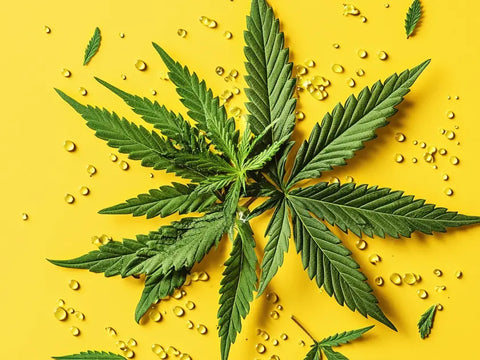
CBD and THC are derived from thecannabis plant, which includes several varieties such asCannabis sativaandCannabis indica. These varieties have different concentrations of cannabinoids, influencing their respective effects.
- Cannabis sativa:Generallyrich in THC.
- Cannabis indica:Oftencontains more CBD, used for relaxation and therapeutic purposes.
Chemical difference
AlthoughCBDandTHCsharethe same chemical formula (21 carbon atoms, 30 hydrogen atoms, and 2 oxygen atoms), the arrangement of the atoms differs, leading to distinct effects.
Effects on the brain and body
Receptors in the brain and body interact differently with CBD and THC, leading to various physiological and psychotropic results.
Interaction with cannabinoid receptors
The human body has anendocannabinoid systemconsistingof CB1 and CB2 receptors. THC binds primarily to CB1 receptors, causing psychotropic effects, while CBD interacts mainly with CB2 receptors, offering potential benefits without significant psychoactive effects.
Euphoria vs. relaxation
The THC is known to produce a feeling of "high" or euphoria, due to its interaction with brain receptors responsible for pleasure and well-being. In contrast,CBDisknown for its calming and relaxing properties without altering perception or causing significant mental changes.
Benefits and therapeutic uses of CBD and THC
Both CBD and THC offer medical benefits, but their application varies depending on the symptoms and conditions being treated.
THC: Therapeutic and medical uses
THCisused to treat various conditions due to its psychotropic properties and other physiological effects.
- Analgesic:Relieveschronic pain.
- Appetite stimulant:Usefulin cancer or HIV/AIDS treatments to combat loss of appetite.
- Sleep aid:Promotessleepinpeople suffering from insomnia.
CBD: Therapeutic Properties
CBDiswidely recognized for itsanti-inflammatoryandanxiolytic effects, without inducing a "high." It is increasingly popular in the treatment of various neurological and psychiatric conditions.
- Anxiety and Depression:Helpsreduce stress and anxiety levels.
- Epilepsy:Effectivein reducing seizures, particularly for forms that are resistant to other treatments.
- Inflammatory pain:Reducesinflammation and relieves pain associated with chronic conditions such as arthritis.
Methods of consuming CBD and THC
Users have several methods available for consuming these cannabinoids, each with its own advantages and disadvantages.
Smoking and vaping
Smokingandvaporizingareamong the fastest ways to feel the effects of CBD and THC. Inhaled smoke allows cannabinoids to enter the bloodstream directly through the lungs. However, smoking may be less healthy compared to vaporizing.
Edibles and capsules
Ediblesandcapsulesoffera discreet and long-lasting method of consumption. The time it takes to feel the effects is generally longer, as the products must pass through the digestive system.
Oils and tinctures
Oilsandtincturesareadministered sublingually for faster absorption. They allow for precise dosage control, making them popular for medical use.
Legal aspects and regulation of CBD and THC
The legal status ofCBDandTHCvariesconsiderably from country to country, and even from region to region within countries.
Legality of THC
In many countries and states,THCisstrictly regulated due to its psychoactive properties. Some regions only allow its medical use, while others have legalized its recreational use.
Legality of CBD
CBDbenefits froma more flexible legislative framework compared to THC. In many jurisdictions, it is legal as long as it contains less than 0.3% THC. CBD-based products are available in various forms, ranging from dietary supplements to cosmetics.
Side effects and precautions
Both CBD and THC can cause side effects, although these tend to be more associated with THC due to its psychotropic properties.
Side effects of THC
THCislikely to cause several adverse effects, especially when consumed in excess.
- Anxiety:Mayexacerbate feelings of anxiety and paranoia.
- Tachycardia:Accelerationof the heart rate.
- Dry mouth: Unpleasantsensationof dry mouth.
Side effects of CBD
CBDisgenerally well tolerated, but some individuals may experience moderate effects, which are usually mild.
- Fatigue: Increasedfeelingsof tiredness and sleepiness.
- Diarrhea: Digestiveproblemssuch as diarrhea.
- Appetite changes:Changesin appetite that may lead to weight gain or loss.